How Rukkus Grew Ticket Sales 451% and Got Acquired — With Off-Site SEO
Off-site SEO

+1,256%
Organic Traffic
74K
New Visitors
+451%
Ticket Sales
27
High-DA Links
Rukkus entered one of the most competitive markets online, live event ticketing. Ticketmaster, StubHub, and SeatGeek had years of authority and brand recognition already in place, while Rukkus was starting from scratch.
Early growth was driven by paid advertising, but it wasn't sustainable on its own. SEO was a clear opportunity, but without authority, the site wasn't in a position to compete. Building that authority meant earning coverage and links from trusted publications.
The approach focused on earning "stamps of approval" from sites Google trusts. This included using proprietary data to pitch stories to journalists, creating embed-ready visuals, turning the launch into a story, piggybacking on competitor links, and securing placements on university discount pages.
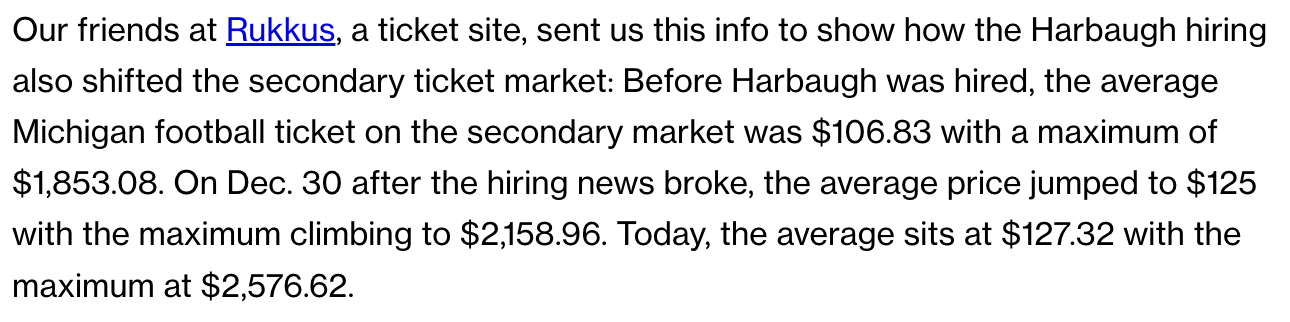
Rukkus had proprietary ticket data, so I used it as a link building asset. By pitching data-driven story angles like "When's the Best Time to Buy Coachella Tickets?" or "How Did Jim Harbaugh's Hiring Affect Ticket Prices?", I gave journalists genuinely useful material for stories they were already covering.
To scale outreach, I built a tool that scraped the top news stories each morning and flagged ones we could support with ticket data. I then prioritized opportunities by site authority, focusing on high-impact domains and moving quickly. When a relevant story broke, I sent a pitch the same day, leading to placements on outlets like CNN and Fox.
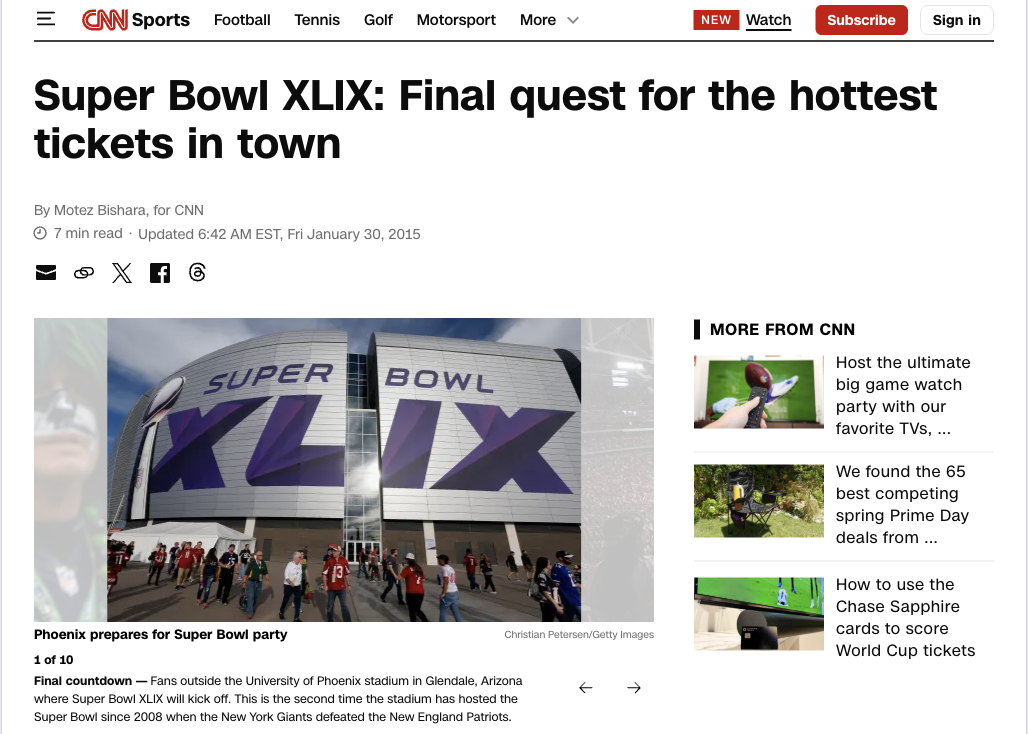
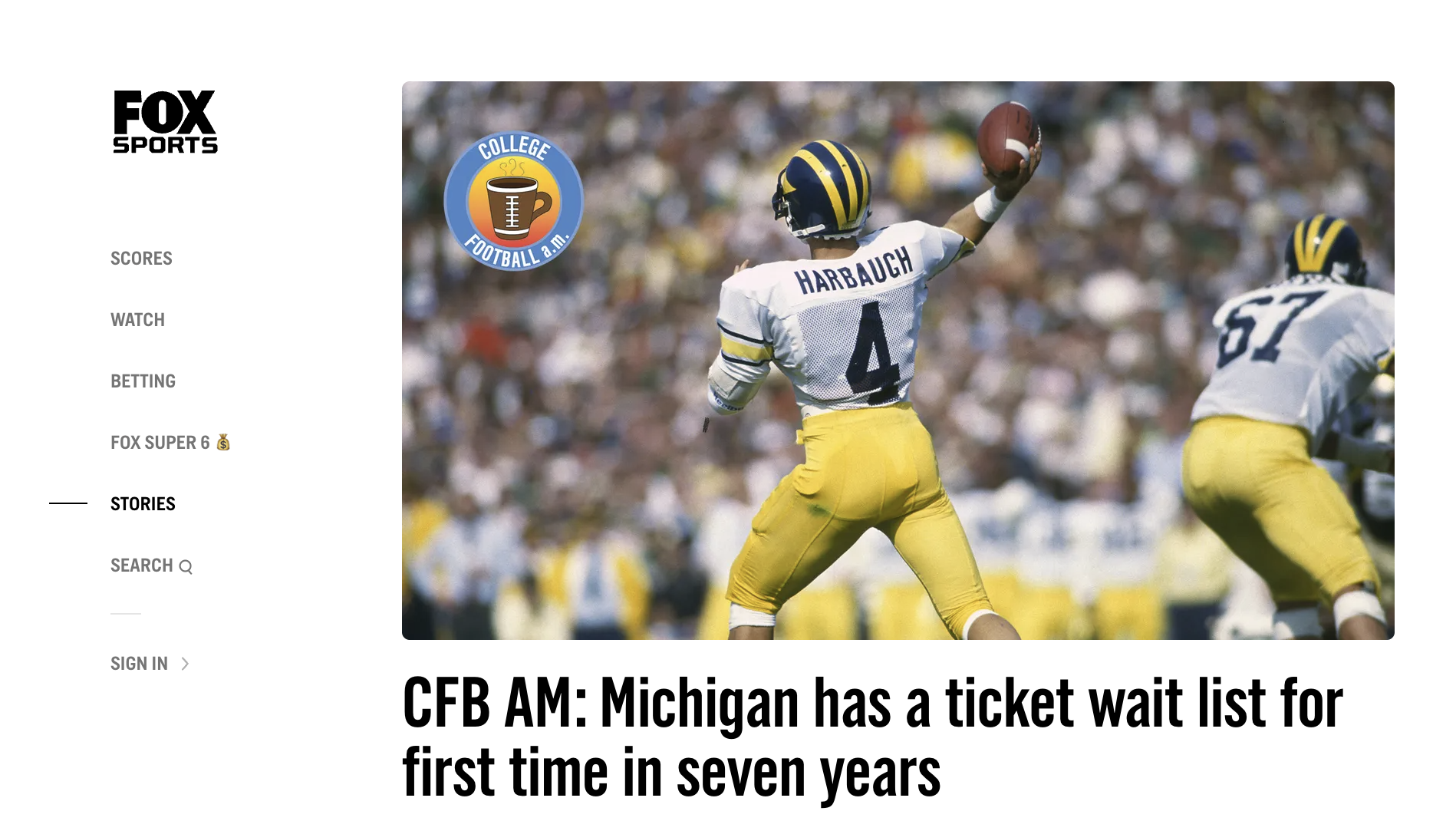
Data alone wasn't always enough. Journalists also needed imagery to bring the story to life, so I created infographics and visual guides that were easy to embed.
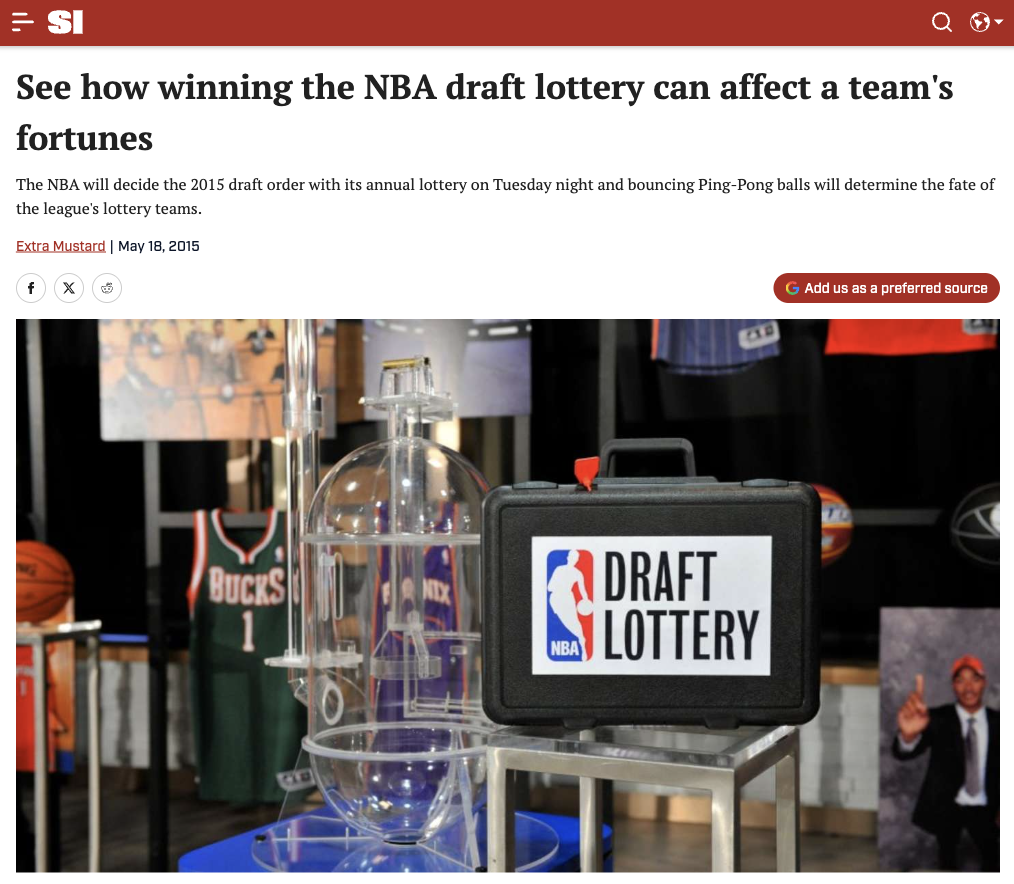
For example, I designed an infographic on the value of the #1 pick in the NBA draft and pitched it to sports sites that had covered the draft but lacked images. Sports Illustrated was among those that picked it up, with each placement linking back to Rukkus.
We believed the launch of Rukkus was a newsworthy event, so I put together a full press kit to show journalists what we were about. It included the company story, digital assets, team bios, product screenshots, key stats, and background on the ticket data we had access to.
This led to coverage and links from Forbes, VentureBeat, Pando, and others.
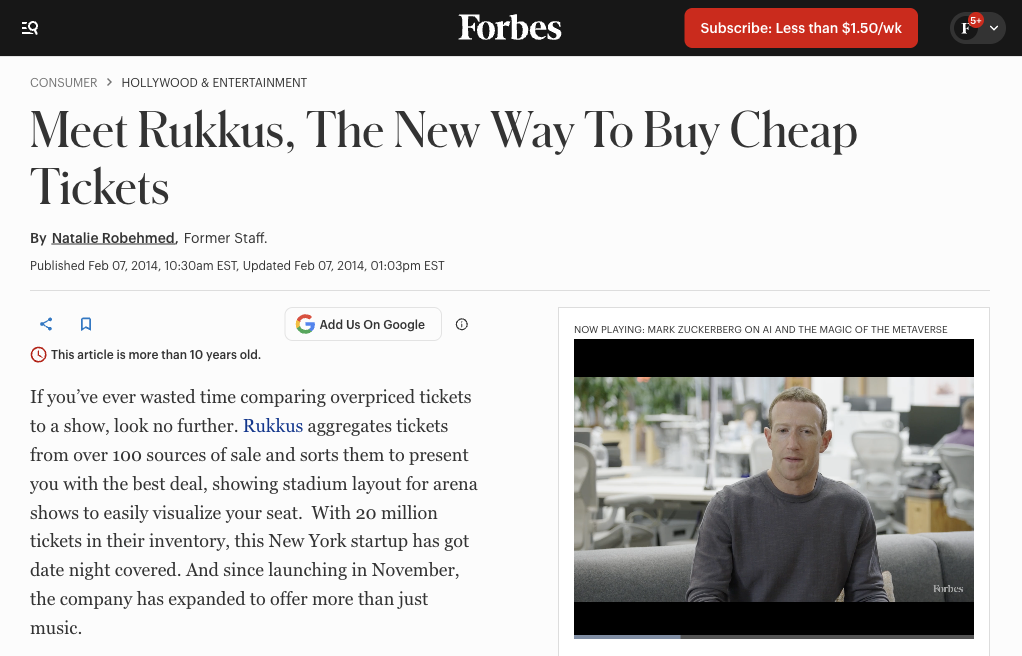
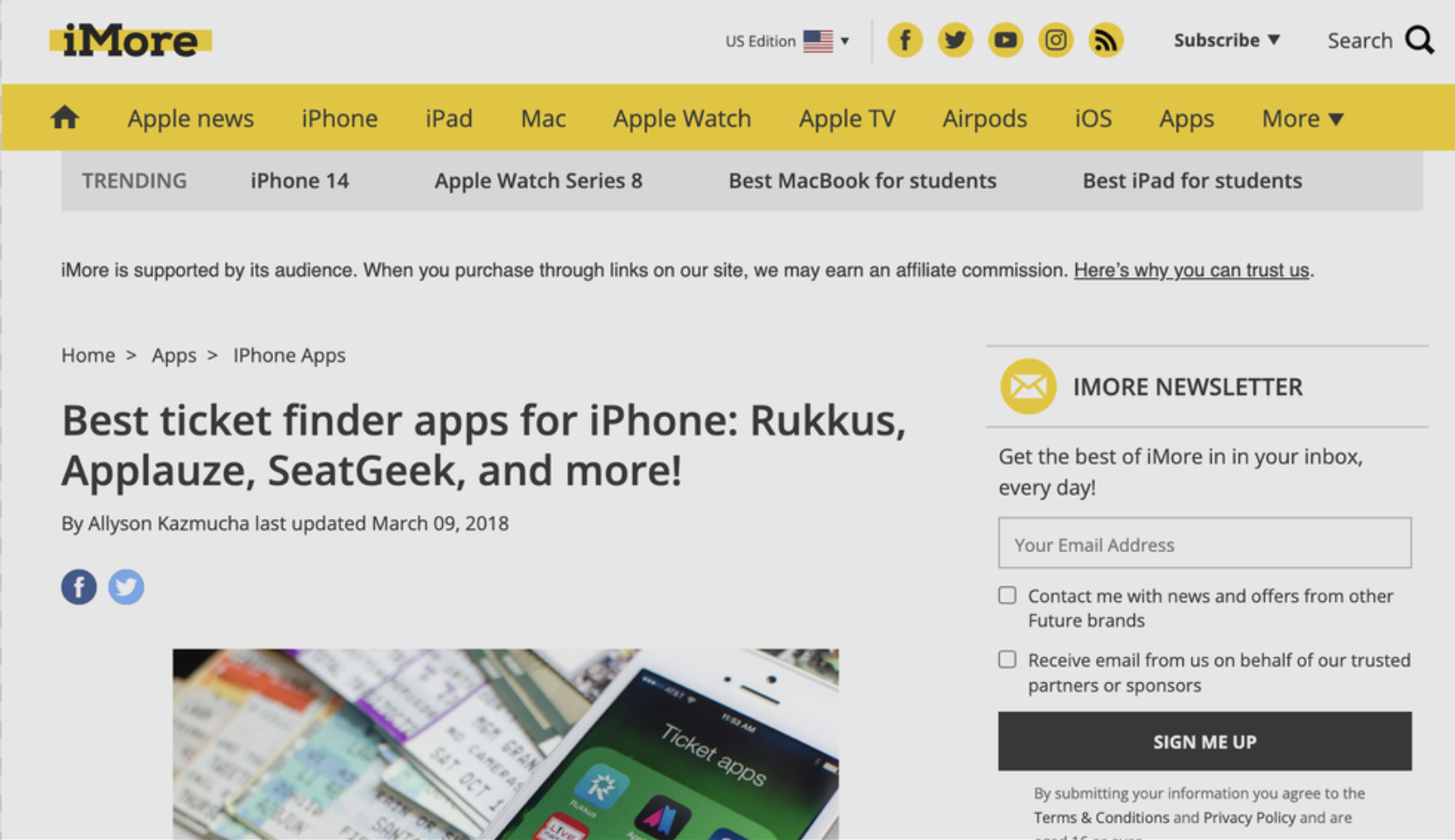
Another part of the strategy was analyzing where competitors were getting links. I pulled a list of 1,000+ pages linking to sites like StubHub and SeatGeek but not to Rukkus, then narrowed it down to the most relevant and authoritative domains for outreach.
The idea was simple. If a site was willing to link to a competitor, they might link to us with the right pitch. This led to links from iMore, CNET, and the Atlanta Journal-Constitution.
College students are a core audience for live events. Using search operators like site:.edu intitle:discounts, I found hundreds of university pages listing student and staff discounts.
I reached out to propose adding Rukkus to their lists, a genuinely useful addition for students, and a trust signal for Google. This landed links from Harvard, Cornell, the University of Pittsburgh, and more.
Over six months, these strategies produced backlinks from 27 high-authority domains and thousands of social shares, enough momentum to help position Rukkus for its eventual acquisition in 2018.
Those "stamps of approval" translated into a 1,256% increase in organic traffic and 74k new visitors, which resulted in a 451% boost in ticket sales.
Links & mentions secured in:
74K
New Visitors
+451%
Ticket Sales
27
High-DA Links
On this page

"Craig was a key member in helping launch Rukkus and was an integral part of establishing our SEO & SEM strategies. I always considered him a valuable asset."
Joe Messineo
Co-Founder, Rukkus

How XVIVO's traffic jumped 45% after a full SEO rebuild
+27%
Organic inquiries
+45%
Organic clicks

How Epic Reads grew sales 24% with search-driven content
+37%
Online sales
+97%
Organic traffic

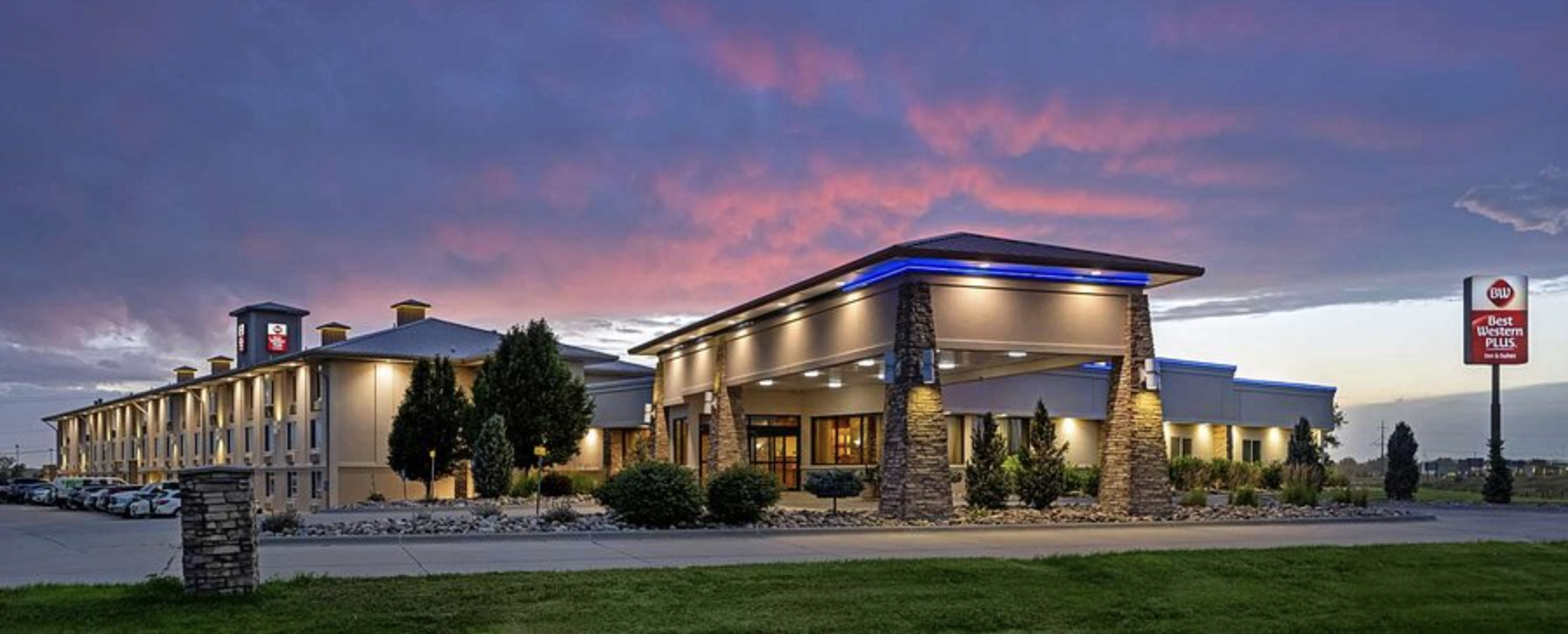
Best Western boosts AI Overview visibility by 349%
+349%
AI Overviews
+18.5%
Organic traffic