How Best Western Achieved 349% More AI Overview Visibility
AI Search Strategy
Technical SEO

+349%
AI Overview Visibility
+18.5%
Organic Traffic
+8%
Conversions
Best Western, one of the largest hotel brands in the world, lost organic visibility as Google rolled out AI Overviews across search results. Pages that had performed well for years were being pushed down by AI-generated answers that often didn't include their content.
The core SEO strategy was still sound, but the content needed to be easier for AI systems to understand, extract, and trust. That meant restructuring pages around clear, direct answers while continuing to strengthen foundational SEO areas like topical coverage and local relevance.
The strategy focused on structuring content more effectively, expanding coverage for high-intent searches, and making key information more accessible.
The first step was making content easier to scan and understand by restructuring key pages with answer-first summaries and more conversational headings.
Each page was updated to answer the main question upfront. For a page about saving on hotel stays, that meant leading with the main ways travelers could save: "You can save on a Best Western hotel room by booking early, joining Best Western Rewards, and using discounts like AAA, AARP, or military rates."
Headings were also rewritten to be clearer and more natural. For example, vague headings like "Earn Points" were updated to more search-friendly headings like "How to Earn Points."
This made it easier for search engines and AI to identify and surface key information, while also improving the overall user experience.
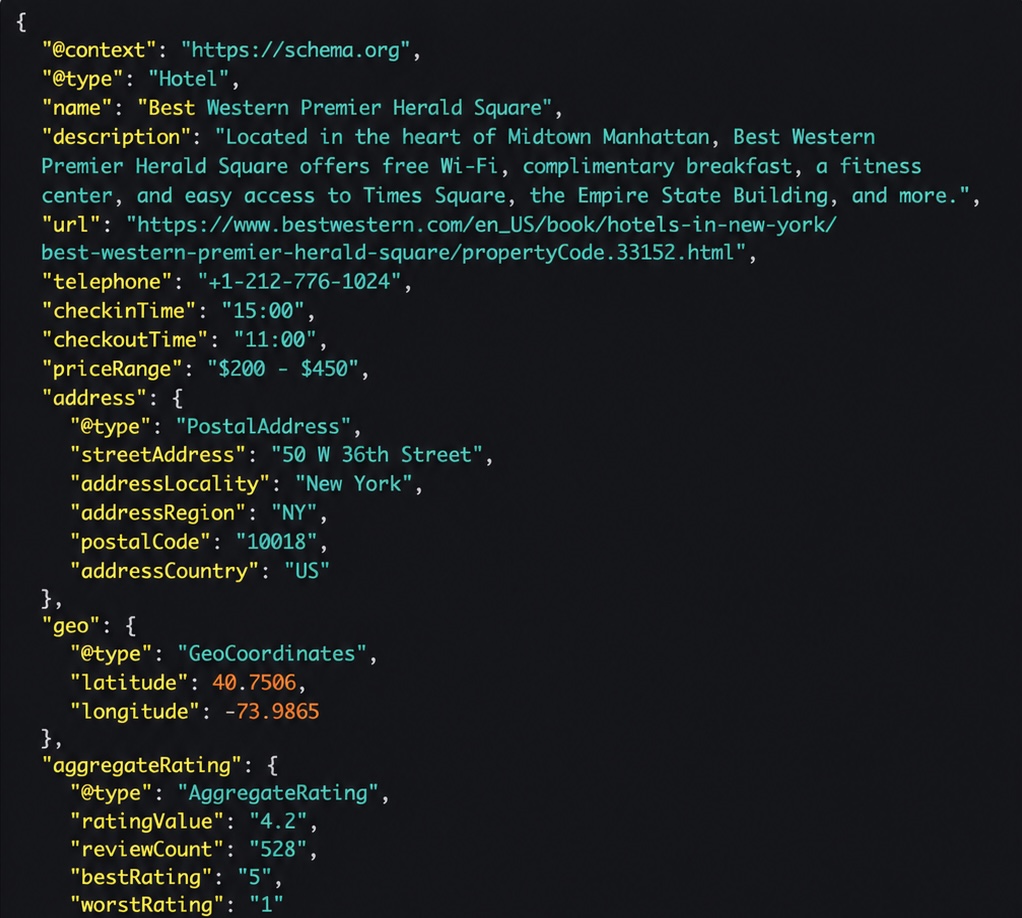
Structured data was added across priority templates, including Hotel, FAQPage, and BreadcrumbList schema, to give search engines and LLMs clearer context beyond the visible page copy.
For hotel detail pages, Hotel schema was especially important because it helped clearly define property details, including:
The hotel detail pages relied too heavily on templated descriptions. They described the property, but not enough about where it was, what was nearby, or why that location mattered to travelers.
Content was rewritten to better reflect each hotel's location, including its surrounding area, nearby attractions, transportation options, directions, and access details for travelers.
This made each page more relevant for location-based searches and gave users a clearer understanding of what to expect from the property.
After aligning hotel detail pages with local intent, the focus shifted to city pages.
These pages were updated to target common location-based queries. For example, the NYC listings page was rewritten to answer "What Best Western hotels are near Times Square?", while the Las Vegas page addressed "Which Best Western hotels are on or near the Las Vegas Strip?"
Answers were written clearly and directly, making them easier to surface in search and AI results while helping users quickly find the right hotel.
Once the existing site was in good shape, the focus shifted to expanding real estate in SERPs and LLMs by building new, targeted content.
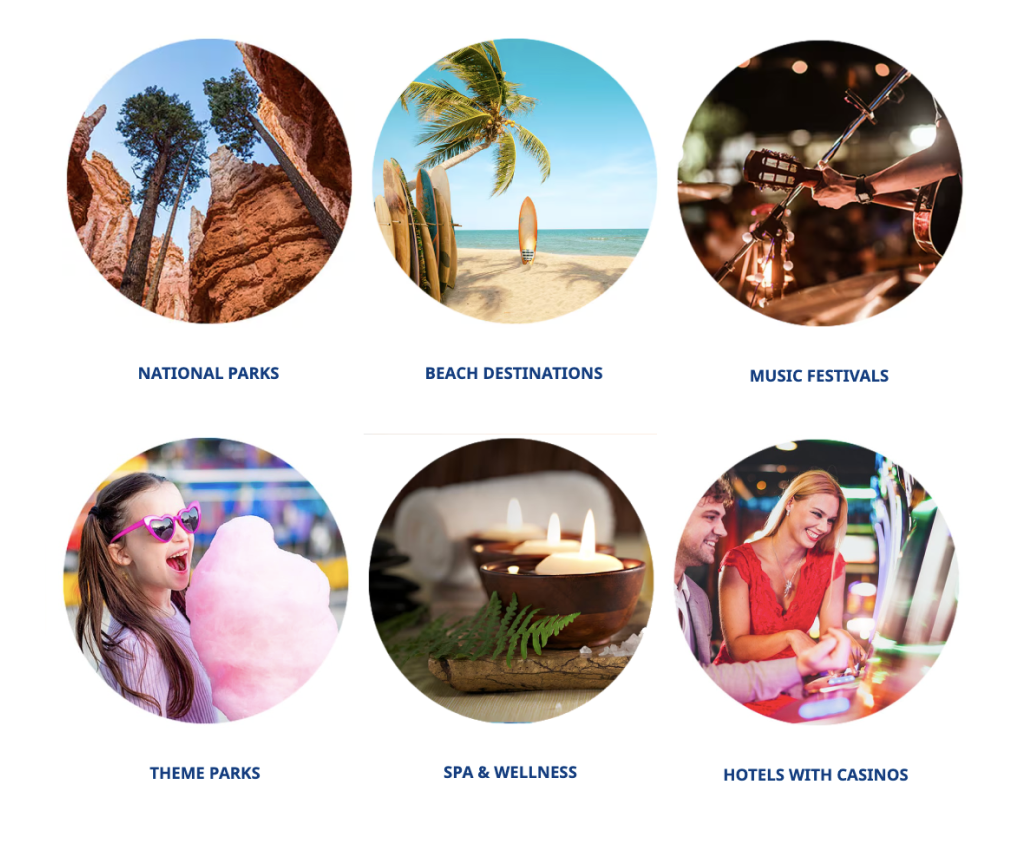
A structured set of pages was created around specific traveler needs, designed to capture long-tail, high-intent queries. This included:
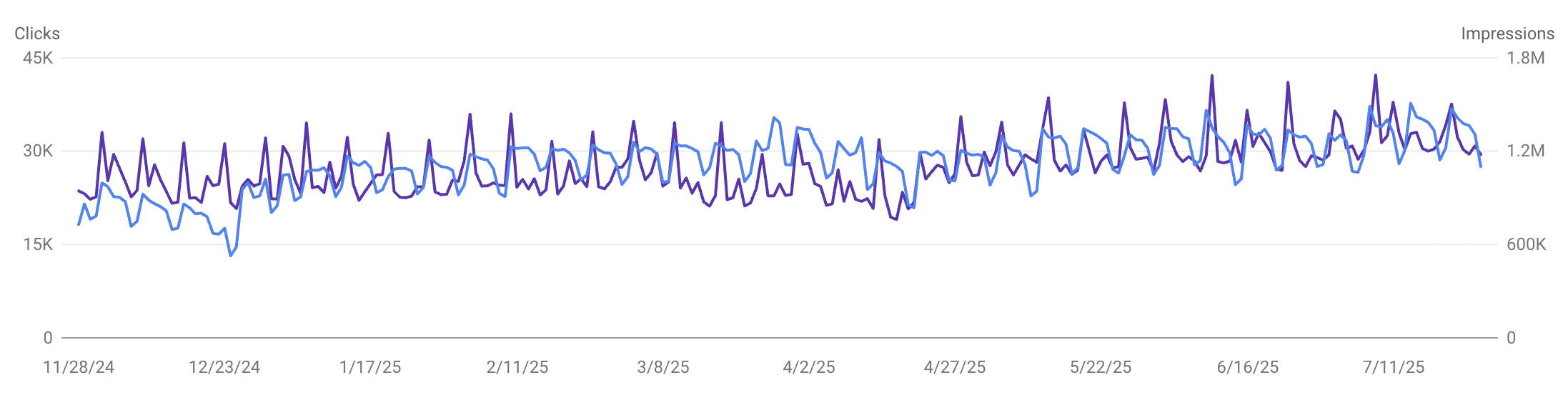
These updates drove a clear lift in visibility, traffic, and conversions. AI Overview inclusion increased 349%, helping Best Western show up more often in Google's AI-generated results and attract more qualified traffic. Total organic traffic also recovered and surpassed pre-rollout levels, while conversions increased 8%, showing that the work drove business impact beyond traffic growth.
+349%
AI Overview Visibility
+18.5%
Organic Traffic
+8%
Conversions
On this page

How XVIVO's traffic jumped 45% after a full SEO rebuild
+27%
Organic inquiries
+45%
Organic clicks

Rukkus ticket sales soar 451% with strategic link building
+1,256%
Traffic increase
121K
New visitors

How Epic Reads grew sales 24% with search-driven content
+37%
Online sales
+97%
Organic traffic